Allaya Font: Elevating Editorial Design with Elegance
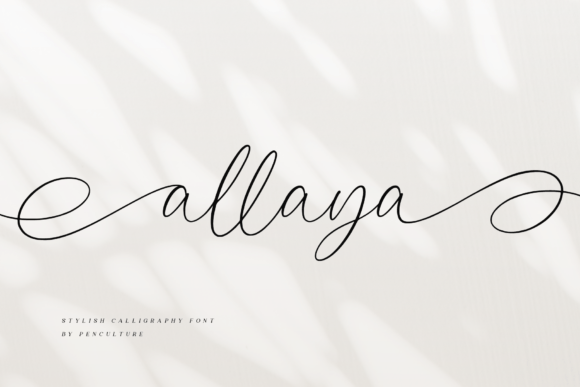
There is a specific moment in every editorial project where the tone shifts from functional to emotional. For me, that moment arrived last Tuesday while I was restructuring the visual identity of a lifestyle blog dedicated to slow living and artisanal crafts. The existing layout felt sterile, relying heavily on rigid geometric sans serif fonts that failed to capture the warmth of the content. I needed a typeface that could bridge the gap between modern minimalism and organic charm. That is when I discovered Allaya, a gorgeous handwritten font that exudes elegance, style, and a hint of modernity. As I began testing this script handwritten typeface against various design elements, it became clear that Allaya was not just a decorative addition, but a foundational tool for building a more engaging reading experience.
Choosing Allaya for Wedding Invitations and Elegant Branding
When working with clients in the wedding industry or luxury branding sector, the primary challenge is often conveying sophistication without appearing cold or distant. Allaya addresses this need perfectly within the realm of script handwritten fonts. Its strokes possess a natural rhythm, mimicking the fluid motion of a high-quality ink pen, which instantly adds a human touch to digital and print materials. In my recent test case, I used Allaya for the header of a digital wedding guide. The way the letters connect creates a seamless flow that guides the eye gently across the page, inviting the reader into the narrative rather than demanding their attention.
For branding projects, consistency is key. Allaya serves as an excellent anchor for brand identity, particularly for businesses that want to project approachability alongside premium quality. Whether applied to logos, packaging design, or social media graphics, the font maintains its legibility while offering distinct character. It avoids the overly casual feel of some handwritten fonts, instead opting for a refined aesthetic that works beautifully on both screen and paper. This versatility makes it a standout choice among modern typography options for designers who need a single asset to carry weight across multiple platforms.
Enhancing Blog Headers and Newsletter Graphics with Script Handwritten Fonts
In the world of digital publishing, the header is the handshake. It is the first point of contact between the creator and the audience. I integrated Allaya into the masthead of a weekly newsletter focused on creative entrepreneurship. The goal was to soften the technical nature of the advice with a visual cue that suggested creativity and ease. As a script handwritten font, Allaya provided the perfect contrast to the clean sans serif body copy. This juxtaposition created a clear visual hierarchy, ensuring that subscribers could instantly distinguish between the curated title and the informational content.
The effectiveness of Allaya in these contexts lies in its balance. Many display fonts struggle when scaled down for mobile views, becoming illegible blobs of ink. However, Allaya retains its structural integrity even at smaller sizes, making it ideal for responsive web design and email templates. When designing for screens, it is crucial to choose fonts that do not strain the eye. Allaya’s open counters and consistent stroke width contribute to a relaxed reading experience, encouraging users to linger on the page. For bloggers and newsletter writers, this means higher engagement rates and a more polished professional appearance.
Designing Ebook Covers and Printable Planners with Modern Typography
Digital products such as ebooks, coaching workbooks, and printable planners rely heavily on cover design to drive conversions. I recently experimented with Allaya for the cover of a recipe ebook centered around seasonal ingredients. The font’s elegant curves complemented the organic photography of fresh produce, creating a cohesive and appetizing visual package. Unlike standard system fonts, Allaya adds a layer of perceived value, signaling to the potential buyer that the content inside is curated and thoughtful. This psychological impact is vital for independent creators selling digital downloads.
For printable planners and worksheets, readability remains paramount. While Allaya is primarily a display font, its clarity allows it to be used effectively for section headings and chapter openers. I found that pairing it with a highly readable serif font for the body text created a classic editorial look that feels both timeless and contemporary. This combination works exceptionally well for long-form content, where the reader needs visual breaks to maintain focus. By using Allaya for pull quotes and key takeaways, I was able to break up dense text blocks, making the material more digestible and visually appealing.
Pairing Allaya with Serif and Sans Serif Fonts for Visual Harmony
No font exists in isolation, and the true power of Allaya is revealed through thoughtful font pairing. In my editorial design tests, I explored several combinations to determine which best supported the font’s inherent elegance. Pairing Allaya with a neutral sans serif font creates a modern, clean aesthetic suitable for tech-forward blogs or minimalist brands. The stark simplicity of the sans serif allows the intricate details of the script handwritten style to shine without competition. Conversely, pairing Allaya with a traditional serif font evokes a sense of heritage and trust, ideal for legal guides, financial coaching materials, or historical narratives.
When selecting companion fonts, it is essential to consider weight and proportion. Allaya has a medium weight that sits comfortably between light and bold, making it versatile enough to pair with both thin and heavy typefaces. I recommend avoiding other script fonts in the same layout, as this can create visual clutter and reduce readability. Instead, let Allaya serve as the accent voice, while a sturdy serif or sans serif handles the informational heavy lifting. This strategy ensures that the design remains uncluttered and that the reader’s attention is directed exactly where it needs to go.
Licensing and Technical Considerations for Commercial Font Use
Before implementing any new typeface into a commercial project, understanding the licensing terms is critical. Allaya is designed for a wide range of design projects, including wedding invitations, logos, branding, and packaging, but designers must verify the specific license included with their purchase. For those creating paid newsletters, online courses, or client publications, ensuring that the font license covers commercial use is non-negotiable. Additionally, checking for included styles, alternates, and ligatures can significantly enhance the customization options available to the designer.
From a technical standpoint, Allaya performs well across various file formats, ensuring compatibility with major design software and web platforms. For web designers, converting the font to web-ready formats ensures fast loading times and consistent rendering across different browsers. For print designers, the high-resolution vectors guarantee crisp edges on business cards, brochures, and large-format posters. By paying attention to these technical details, creators can ensure that the elegance of Allaya is preserved in every medium, delivering a seamless brand experience from the initial click to the final printed piece.